
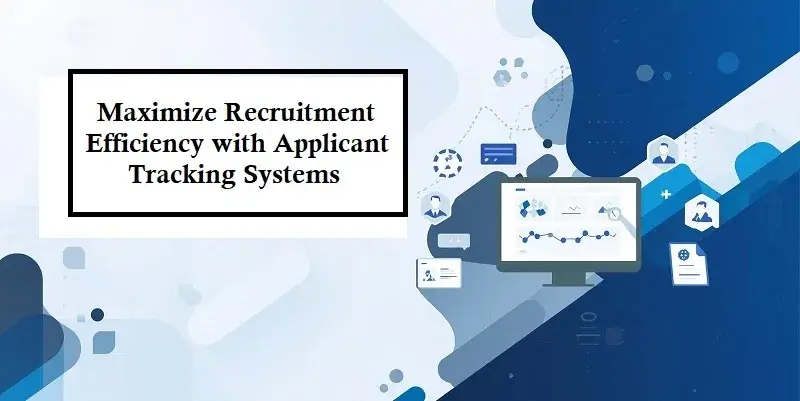
Key Takeaways: Applicant Tracking Systems
- Applicant Tracking Systems (ATS) streamline recruitment by automating tasks like resume parsing and candidate matching.
- Integrating AI into ATS enhances efficiency, reduces bias, and improves candidate experience.
- Modern ATS platforms support multilingual capabilities, enabling global talent acquisition.
- AI-driven ATS can predict candidate success, aiding in more informed hiring decisions.
- Continuous advancements in ATS technology are shaping the future of recruitment.
The Evolution of Applicant Tracking Systems
Applicant Tracking Systems are at the heart of today’s digital hiring revolution, providing employers with robust tools to manage large volumes of applicants while maintaining organization and speed. With automation handling tedious processes, from application sorting to interview scheduling, HR teams can focus on higher-value tasks. For organizations seeking scalable growth, choosing the right candidate tracking system can vastly improve both recruiter productivity and candidate experience.
Early iterations of ATSs offered simple resume repositories with basic keyword matching, but these platforms have since evolved rapidly. Modern ATS now incorporates automation for screening, proficiency checks, and even communication, reducing the lag in traditional hiring cycles. As talent acquisition becomes increasingly digital and global, ATS solutions must continuously adapt to new challenges in the recruitment landscape.
The driving need to manage a larger, more diverse candidate pool has fueled ATS innovation. By enabling end-to-end recruitment workflows and integrating seamlessly with other HR technologies, such as Lever integrations, these platforms provide transparency and measurable improvements in time-to-fill and quality-of-hire. Businesses can now identify bottlenecks in their processes, track key metrics in real-time, and respond dynamically to hiring needs.
Furthermore, incorporating features for internal mobility and referrals helps organizations harness talent within and expand their reach externally. By centralizing application data and offering actionable analytics, modern ATS solutions address the complexities of scaling recruitment across departments and geographies.
For an overview of how digital transformation is affecting workplaces globally, consult Forbes’ analysis.
Artificial Intelligence is fundamentally reshaping how ATS platforms operate, moving from simple automation to true decision-support technology. AI algorithms analyze candidate resumes, detect experience patterns, rank applicants, and even predict cultural fit based on historical success factors within the company. These advances eliminate much of the guesswork and make the shortlisting process more precise.
Integrating AI for Enhanced Recruitment
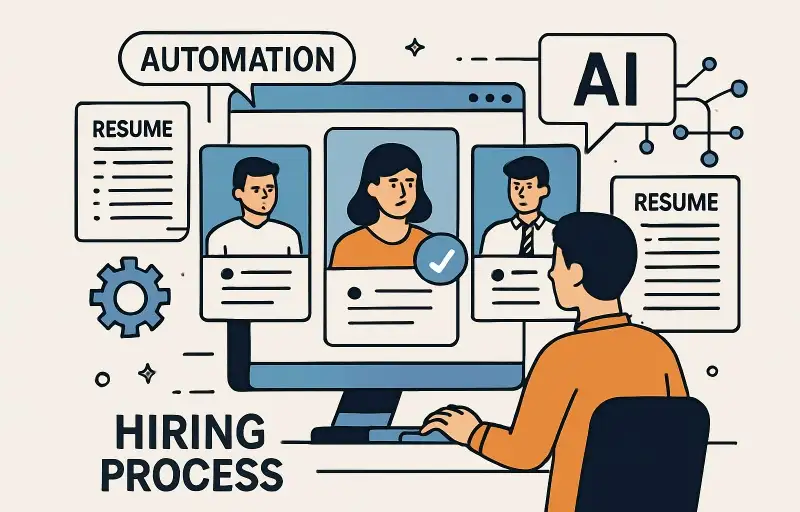
Artificial Intelligence is fundamentally reshaping how ATS platforms operate, moving from simple automation to true decision-support technology. AI algorithms analyze candidate resumes, detect experience patterns, rank applicants, and even predict cultural fit based on historical success factors within the company. These advances eliminate much of the guesswork and make the shortlisting process more precise.
Deep learning algorithms allow an ATS to understand not just keywords but context, assimilating a wealth of candidate data to determine suitability. This also helps eliminate potential mismatches early, saving both recruiters and candidates valuable time. The data-driven nature of AI-driven applicant tracking leads to more strategic hires, those more likely to succeed and stay within the organization.
AI-enabled platforms further impact recruiter workloads by automating repetitive tasks and enabling more proactive sourcing strategies. Recruiters can receive AI-powered recommendations or pipeline forecasts, thus gaining more bandwidth for relationship-building and talent marketing. As a result, recruitment becomes both more efficient and more satisfactory for all parties involved.
Multilingual Capabilities in ATS
Global businesses face the challenge of attracting and hiring candidates from diverse linguistic backgrounds. The latest applicant tracking systems are tackling these barriers with advanced multilingual processing features. Through natural language processing, ATS platforms accurately parse resumes and communications in multiple languages, ensuring no promising candidate is overlooked due to language mismatches.
This not only supports organizations with global hiring needs but also enables more inclusive recruiting practices. Whether expanding into new markets or promoting cross-border teams, the improved language support in ATS ensures every qualified applicant receives fair consideration. The ability to automate translations of both applicant details and recruiter feedback enhances transparency and collaboration throughout the hiring process.
Predictive Analytics for Informed Hiring Decisions
The integration of predictive analytics within ATS platforms has significantly elevated the science of hiring. By leveraging historical hiring data, current job requirements, and candidate attributes, predictive models can assess which applicants are likely to thrive in a specific role. This empowers recruiters to make more informed, data-backed decisions that increase retention and job satisfaction.
Such predictive insights also help reduce costly turnover and ensure candidates are assessed fairly. The right combination of skills, experience, and organizational fit can be identified with far greater accuracy, thanks to advanced analytics. Predictive technology is steadily transforming how hiring managers think about success metrics in recruitment.
For further reading on predictive analytics and its impact on business, check out this overview from Harvard Business Review.
Improving Candidate Experience
Candidate experience has emerged as a pivotal factor in recruitment, affecting brand reputation and the quality of incoming talent. AI-powered ATS enhances this experience by providing timely, personalized communication and minimizing gaps in the recruitment journey. Automated updates, AI chatbots to handle inquiries, and user-friendly candidate portals keep applicants engaged and informed.
These improvements signal to candidates that their time is valued and their interest is acknowledged, even when they’re not selected. An excellent experience increases the likelihood that candidates will consider future opportunities and refer others to the company, creating a positive feedback loop for the employer brand.
Reducing Bias in Recruitment
One of the most significant contributions of AI-enhanced ATS is in building more diverse and equitable workplaces. By focusing on objective performance data and job-relevant criteria, these platforms help mitigate unconscious bias, a persistent challenge in hiring. Automated scoring and anonymous resume review features further ensure that decisions are anonymous and merit-based rather than subjective.
Companies are increasingly prioritizing fair talent acquisition, and technology provides essential support for these initiatives. As the workforce and societal expectations evolve, the transparent, equitable approach enabled by AI-driven ATS platforms will remain in high demand.
The Future of Applicant Tracking Systems
An ongoing convergence with other HR technologies—such as onboarding, performance management, and learning systems—marks the future of ATS, and richer candidate profiles are already emerging on leading platforms. As organizations recognize the benefits of skills management software, personalized candidate experiences, more sophisticated matching algorithms, and real-time skills assessments are poised to redefine hiring standards.
As digital transformation accelerates, organizations that invest in advanced ATS solutions will be best positioned to adapt to a fast-moving talent landscape, gaining a substantial advantage in attracting, evaluating, and retaining top candidates.
Conclusion
Applicant Tracking Systems are a core driver of modern recruitment, propelling organizations toward better efficiency, transparency, and inclusivity. With AI and predictive analytics at the helm, these platforms empower recruiters to make objective; data-driven choices that resonate with both business needs and candidate expectations. As ATS technology continues its rapid evolution; its transformative impact on the hiring process will only deepen, shaping the future of work for years to come.